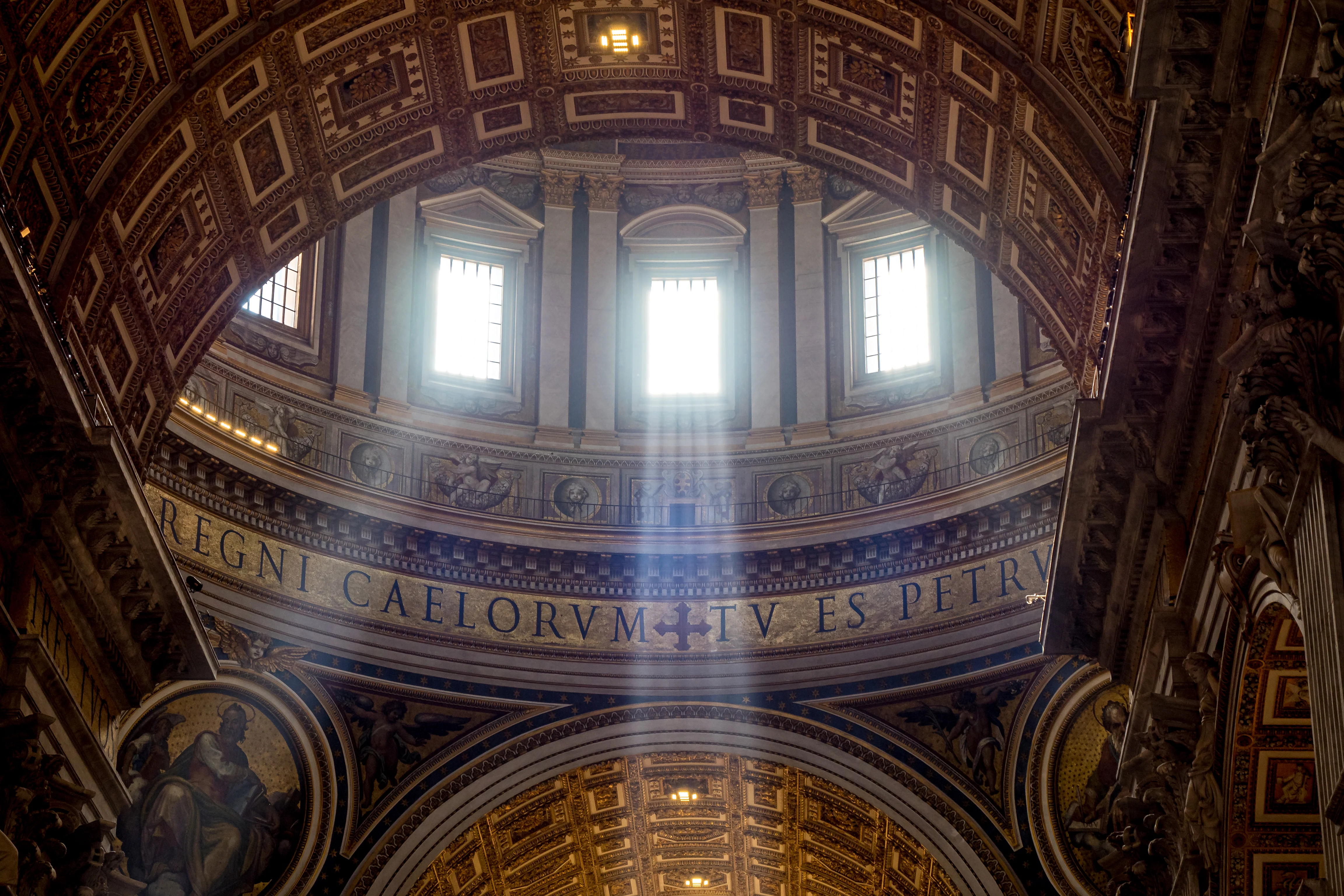

The Catholic web has come a long way. A decade ago, most Catholic organizations were running on dated templates with stock photos of stained glass and clip-art crosses.
Today, the expectations are different—and they should be. The people visiting your website are the same people who interact with beautifully designed apps, streamlined e-commerce sites, and polished media brands every day. Your site doesn’t exist in a Catholic-only vacuum; it exists on the same internet as everyone else’s.
So what does a great Catholic website actually look like in 2026? After years of working with Catholic organizations of all kinds—from Jesuit ministries and religious communities to Catholic media apostolates and spirituality centers—here’s what we’ve seen that works.
It leads with mission, not information
Too many Catholic websites open with a wall of text about their history, their canonical status, or their organizational structure. That information matters—but it’s not what draws people in. The best Catholic sites lead with the heart of their mission: why they exist and what they’re inviting people into.
A strong homepage makes an emotional connection in the first few seconds. That might be a compelling image paired with a clear statement of purpose, a short video that captures the spirit of the community, or a single sentence that stops someone mid-scroll. The details and history can live deeper in the site where people go when they want to learn more.
It’s designed for real people, not just insiders
One of the biggest challenges in Catholic web design is language. Catholic organizations often use terminology that’s second nature to them—charism, apostolate, formation, discernment—but unclear to anyone who isn’t already familiar with the tradition. A great Catholic website meets people where they are, using language that’s welcoming and accessible without watering down the substance.
This doesn’t mean avoiding those words entirely. It means providing enough context that a first-time visitor can follow along. If your site’s navigation includes terms that only insiders understand, you’re inadvertently telling newcomers that this space isn’t for them yet.
It looks like it belongs in 2026
Design trends change, but good design principles don’t. A great Catholic website in 2026 uses clean typography, generous white space, high-quality photography, and intentional color choices. It feels modern without being trendy—timeless enough that it won’t look dated in two years, but current enough that it doesn’t feel like a relic.
This is an area where Catholic organizations have a real advantage. The Catholic visual tradition is incredibly rich—sacred art, architecture, iconography, and a deep aesthetic sensibility that spans centuries. The best Catholic websites draw on that heritage in a way that feels fresh and intentional, not kitschy or nostalgic. When done well, a Catholic website can be one of the most beautiful things on the internet.
It makes the next step obvious
Every visitor comes to your site with some kind of intent. They want to sign up for a retreat. They want to learn about your community. They want to donate. They want to apply for a program. A great website anticipates these intentions and makes it easy to act on them.
That means clear calls to action on every page—not aggressive sales buttons, but helpful nudges that guide people toward the natural next step. “Explore our retreat offerings.” “Read about our community.” “Support our mission.” When visitors don’t have to hunt for what they need, they’re far more likely to engage.
It works behind the scenes, too
A beautiful website that loads slowly, breaks on mobile, or ranks poorly on Google isn’t serving your mission. The technical foundation matters just as much as the visual design. In 2026, that means fast load times, proper SEO structure, accessibility compliance, mobile responsiveness, and secure hosting.
It also means the site should be manageable. The people on your team who update the website shouldn’t need a computer science degree to add a blog post or update event information. A well-built WordPress site with a thoughtful admin experience makes ongoing content management something your team can own with confidence.
It tells a living story
The best Catholic websites don’t feel static. They feel alive—regularly updated with fresh content, current events, recent reflections, and timely resources. A blog, a news section, or even a simple updates page signals that the organization is active and engaged.
This doesn’t require publishing daily. Even a monthly blog post or seasonal update shows that someone is tending to the site. That sense of life and currency is something visitors notice—and something Google rewards in search rankings.
Raising the bar together
The Catholic web is getting better. More organizations are investing in their digital presence, and the results are showing. But there’s still a gap between what’s possible and what most Catholic organizations are doing online. Closing that gap starts with taking your website as seriously as you take every other part of your mission.
If you’re thinking about what your organization’s website could be, we’d love to be part of that conversation.
Pixel Eye Studio specializes in web design for Catholic organizations and nonprofits. See our work and get in touch.
Let’s keep in touch.
We share work, insights, and behind-the-scenes process on LinkedIn and Instagram. Follow along.