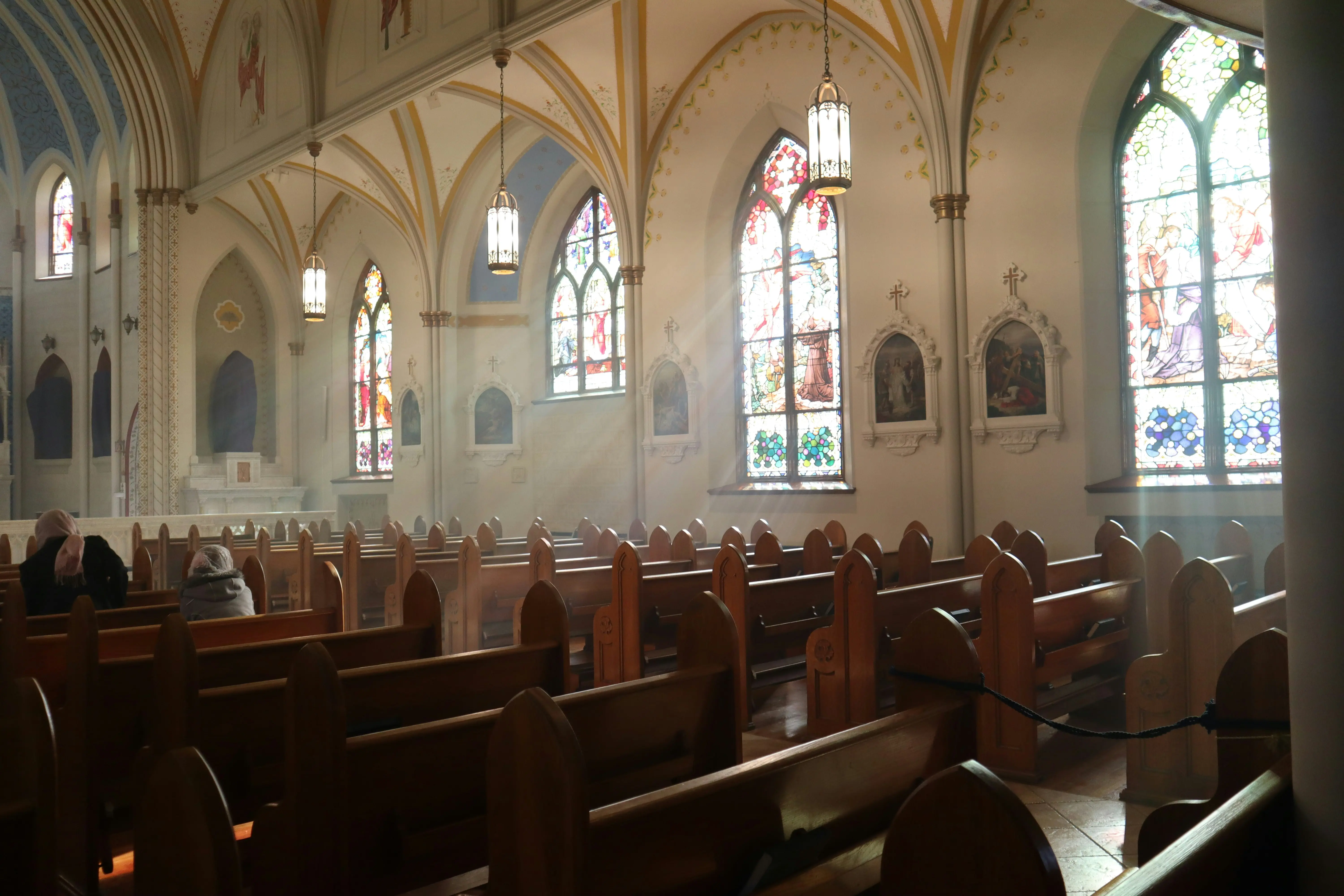

Most parish websites were built by a volunteer with good intentions — probably sometime around 2012 — and haven't been meaningfully updated since. The photos show people who have since moved. The events calendar is three years out of date. Mass times are buried on a page nobody can find.
Nobody meant for it to get this way. But parish websites have a unique problem: they're everyone's responsibility, which often means they're no one's responsibility.
This isn't a post about why your parish website matters (you already know). It's a practical guide to what a parish website actually needs in 2026 — and what you can safely deprioritize.
Why Most Parish Websites Fail Their Congregation
Before talking about what to build, it helps to understand what goes wrong. Parish websites tend to fail in one of three ways:
They’re hard to navigate. A visitor can’t find Mass times, a new parishioner can’t figure out how to register, and a lapsed Catholic considering coming back doesn’t know where to start.
They’re out of date. Events from last year are still listed. Staff pages show people who left. The bulletin isn’t updated.
They don’t reflect who the parish actually is. Stock photos of anonymous churches don’t build connection. Generic language doesn’t convey community.
The good news: these are all fixable. And fixing them doesn’t require a complete rebuild — it requires clarity about what the site is actually supposed to do.
The Five Pages Every Parish Website Must Have
You can have a hundred pages or ten. But if these five aren’t right, nothing else matters.
1. Home
The homepage has one job: help a first-time visitor orient themselves in under ten seconds. What parish is this? Where is it? When are Masses? What do I do next?
That’s it. Don’t bury the lead with a welcome message from the pastor (move that to the About page). Lead with the information people actually come for.
2. Mass & Confession Times
This is the most-visited page on most parish websites. It should be easy to find from anywhere on the site, load fast on mobile, and be dead simple to update. If your times change seasonally, someone on staff needs to own updating this page — and the CMS needs to make that easy.
3. Staff & Leadership
People want to know who their pastor is. Who to call about baptism prep. Who handles facilities. This page should have real photos (not stock), real names, and real contact information.
4. Ministries & Groups
This is where the depth of parish life lives. Keep the list current and make it easy for people to express interest or get connected. A simple contact form per ministry goes a long way.
5. Contact & Location
Include a map, parking notes if relevant, phone number, email, and office hours. Don’t make someone hunt for your address.
What Makes Parish Websites Different
A parish website serves multiple audiences at once — and they all have different needs.
Registered parishioners want quick access to the bulletin, upcoming events, and giving options.
Visitors and newcomers are trying to figure out if this is the right parish for them. They’re evaluating tone, community, and whether they’d fit in.
Lapsed Catholics or non-Catholics approaching the faith need a completely different kind of welcome — lower barrier, less assumed knowledge, more warmth.
Most parish websites are built primarily for existing members, which means they’re often not welcoming to anyone outside that circle. A well-designed parish site holds all three audiences without confusing any of them.
Parish sites carry a strange double duty: they serve people who already belong and people deciding whether to walk in. That tension shapes most of what we do in web design for parishes and ministries.
Mobile Is Non-Negotiable
The majority of people who visit a parish website on a Sunday morning are doing it on their phone — in the car, outside the church, or while someone’s asking them when Mass starts.
If your site isn’t fast and readable on mobile, it’s failing at its most important moment. This means legible font sizes, tap-friendly navigation, and Mass times that don’t require pinching and zooming to read.
Should a Parish Use WordPress?
For most parishes: yes.
WordPress is free, widely supported, and gives staff the ability to manage content without calling a developer every time the bulletin changes. It fits the stewardship model parishes operate under — you’re not locked into a proprietary platform, and if you ever change agencies, you own your site.
There are parish-specific CMS options out there — some dioceses even have preferred platforms. Those can make sense in certain contexts, particularly if the diocese provides support or hosting. But for a parish that wants flexibility and long-term ownership, WordPress is usually the right call.
What to Budget
This depends heavily on your starting point and what you’re trying to accomplish, but here’s a realistic framework:
Volunteer-built on a free theme: $0–$500. Gets something live. Often creates technical debt that costs more to fix later.
Template-based build from a freelancer or small agency: $2,000–$5,000. Faster turnaround, limited customization.
Custom build from an agency with nonprofit/Catholic experience: $6,000–$15,000+. Built around your specific needs, scalable, trainable staff.
Ongoing maintenance — keeping WordPress updated, backups running, security monitored — typically runs $100–$300/month depending on what’s included. Don’t skip this line item. A hacked parish website is a pastoral problem, not just a tech problem.
Questions to Ask Before You Hire
Not every agency is a good fit for a parish project. Before you sign anything, ask:
Have you worked with Catholic or faith-based organizations before?
Who will own the site after launch — and what does training look like?
What CMS will you use, and why?
What’s included in post-launch support?
Can I see examples of parish or nonprofit work you’ve done?
The right agency will answer these questions without hesitation. They’ll also ask good questions back — about your community, your goals, who’s going to maintain the site, and what’s not working about the current one.
A parish website doesn’t need to be complicated. It needs to be clear, current, and genuinely welcoming — to the parishioner who’s been there for thirty years and the person who just moved to town and is looking for a home.
Get those basics right, and the rest follows.
Ready to build something better?We’ve built websites for Catholic organizations across the country — parishes, diocesan ministries, religious orders, and Catholic nonprofits. If your parish is ready to stop making do and start doing more, let’s talk. |
Let’s keep in touch.
We share work, insights, and behind-the-scenes process on LinkedIn and Instagram. Follow along.